Historic Restoration & Adaptive Reuse
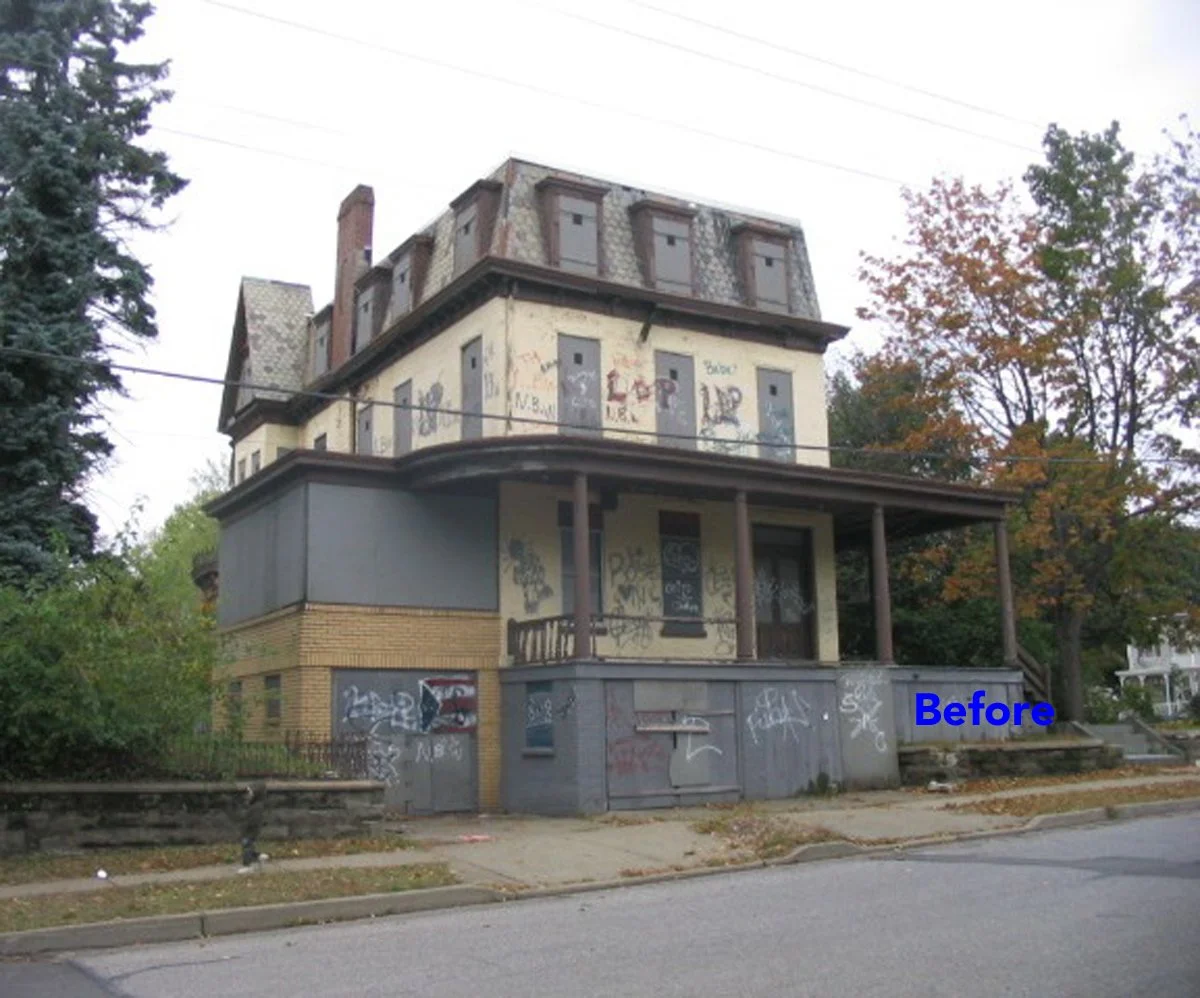
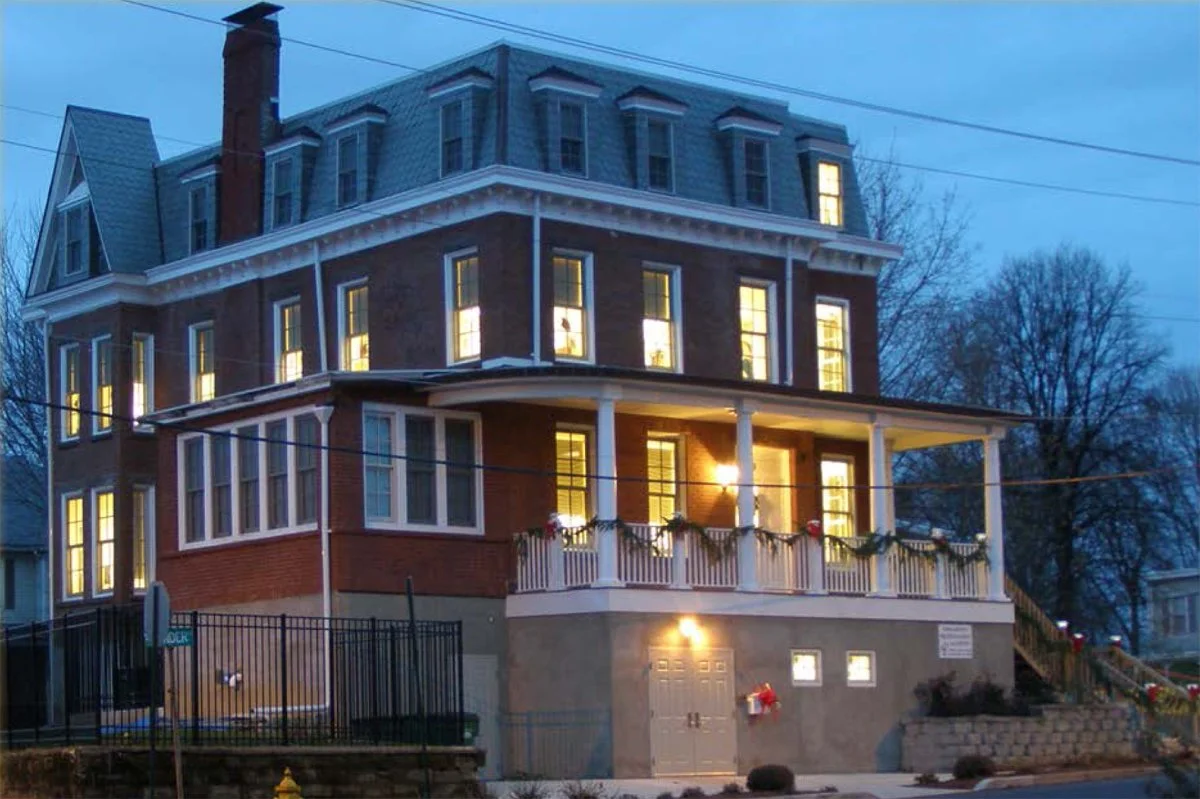
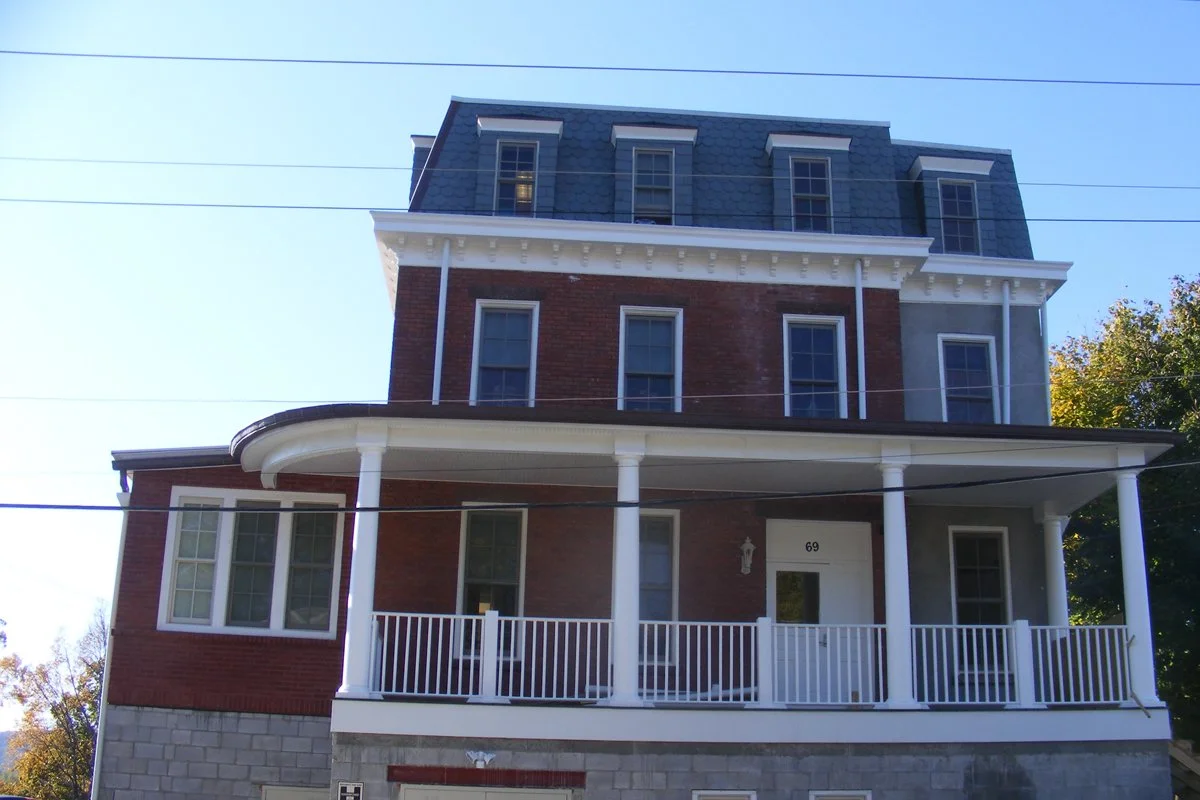
Minuta Architecture approaches historic restoration and adaptive reuse with respect for what makes an existing building worth keeping in the first place. That means studying the structure, materials, proportions, detailing, and construction logic that give the building its identity before deciding what should be preserved, repaired, reworked, or newly introduced.
Historic and adaptive reuse projects demand judgment. They have to meet present-day code, life-safety, accessibility, and occupancy requirements without flattening the very character that gives the building meaning. The firm works to preserve architectural integrity while making older structures useful, compliant, and durable again. That balance is especially important in the Hudson Valley, where historic properties, legacy buildings, and culturally significant structures often carry both civic and economic value.
The goal is not to freeze a building in time. It is to extend its life intelligently, allowing it to serve present needs without erasing its history.
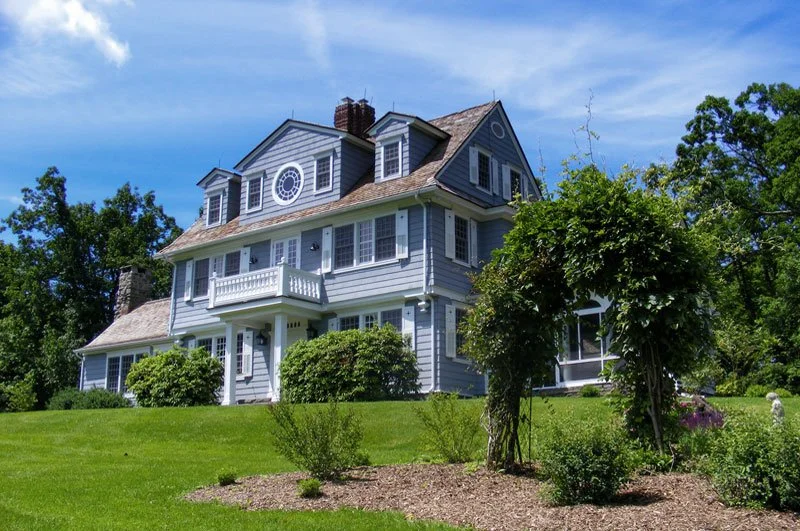
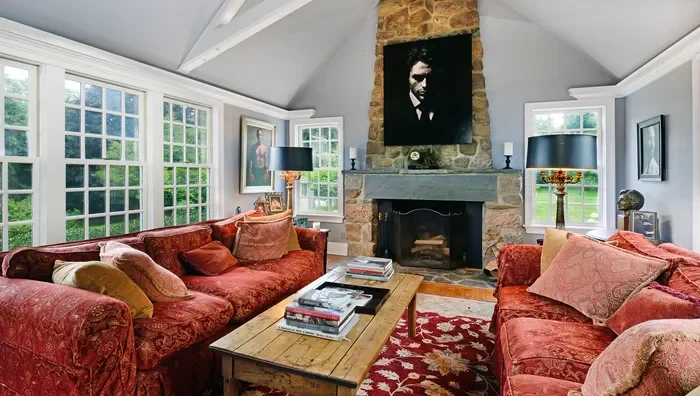
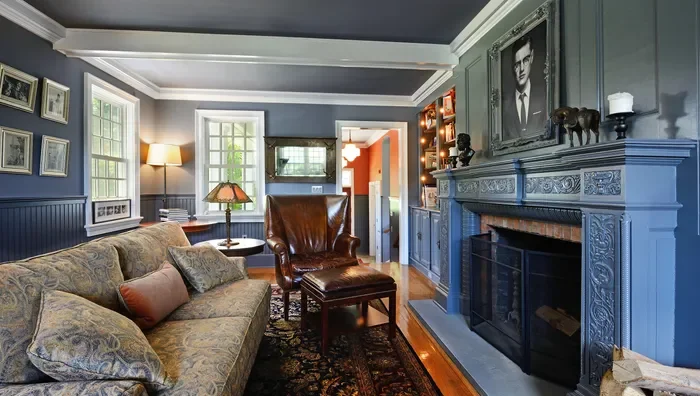
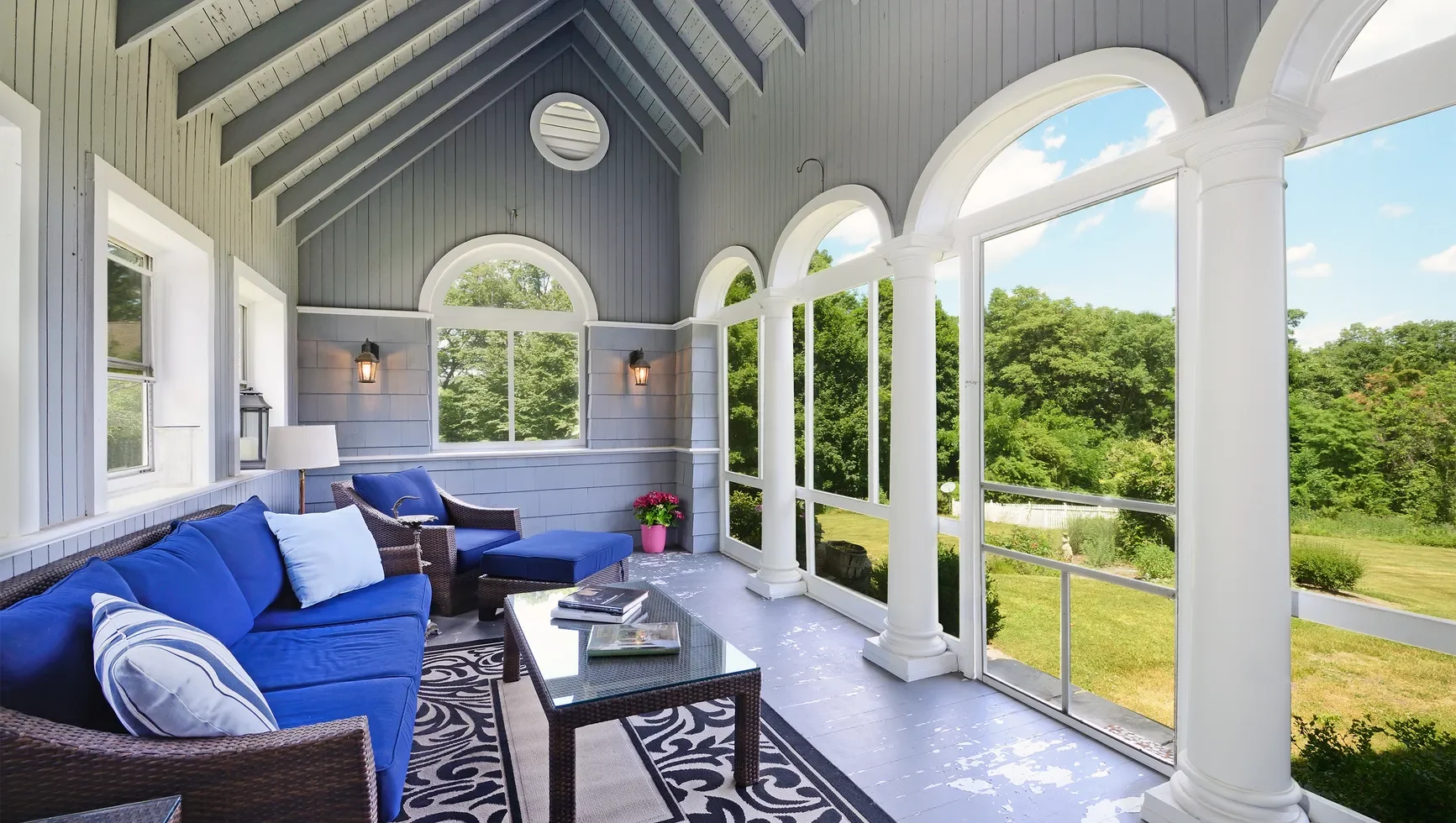
Project Type: Historic Restoration/ Adaptive Reuse/ Preservation and Sustainability
Project Square Footage: 4,900 SF
Project Budget: $1.2 Million
Project Completion Date: January 2012
Zoning Constraints: Local municipal zoning Single Family Residence. Project met zoning requirements.




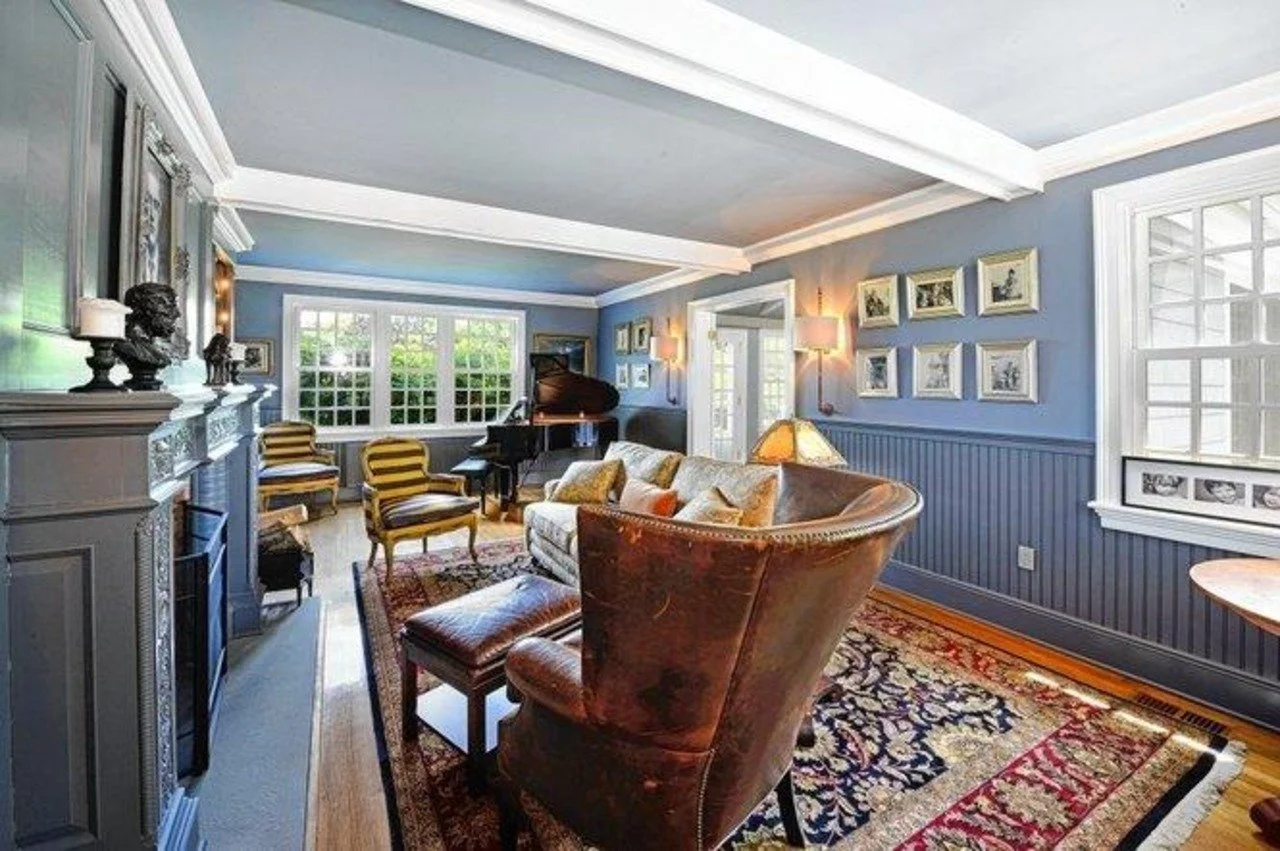


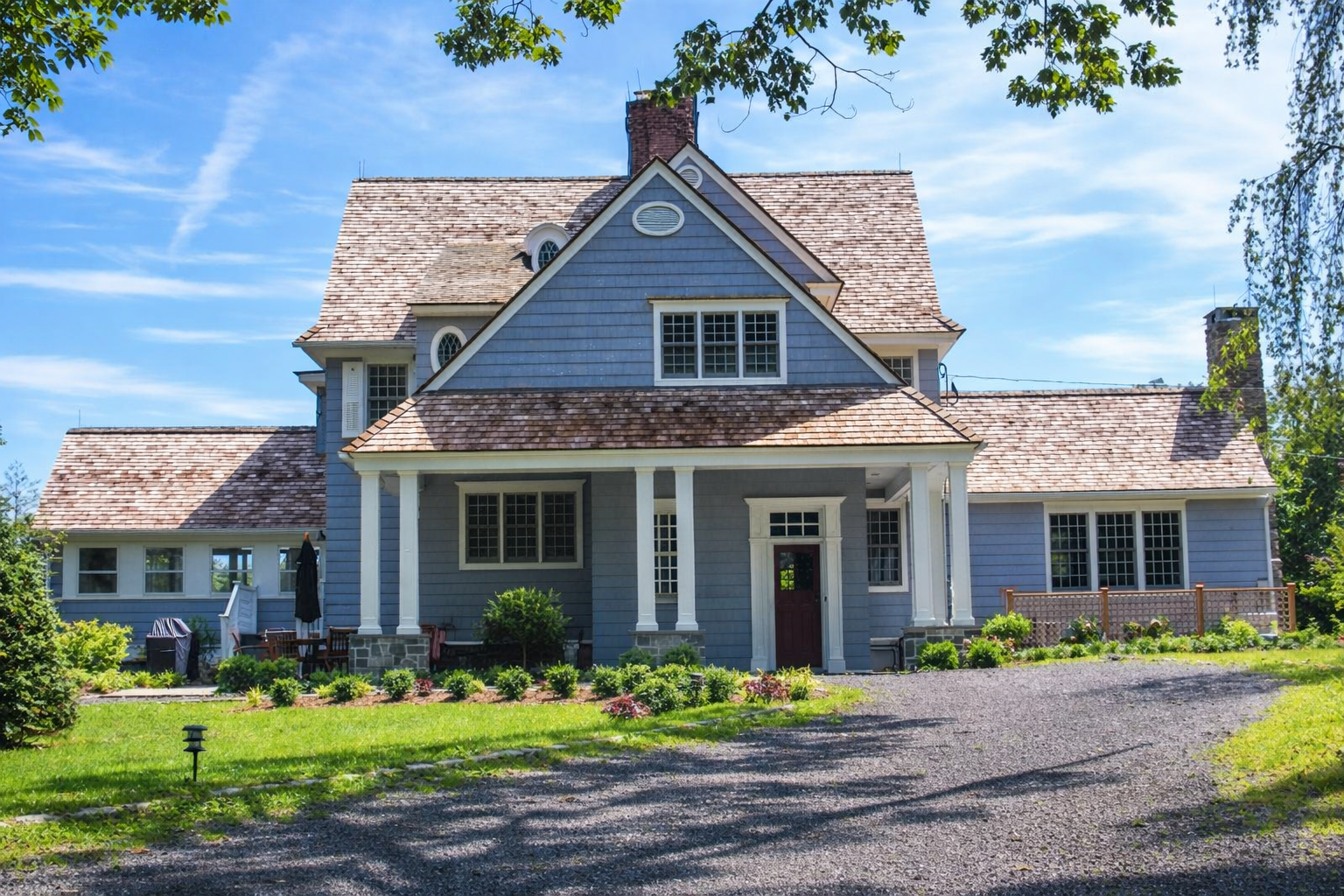
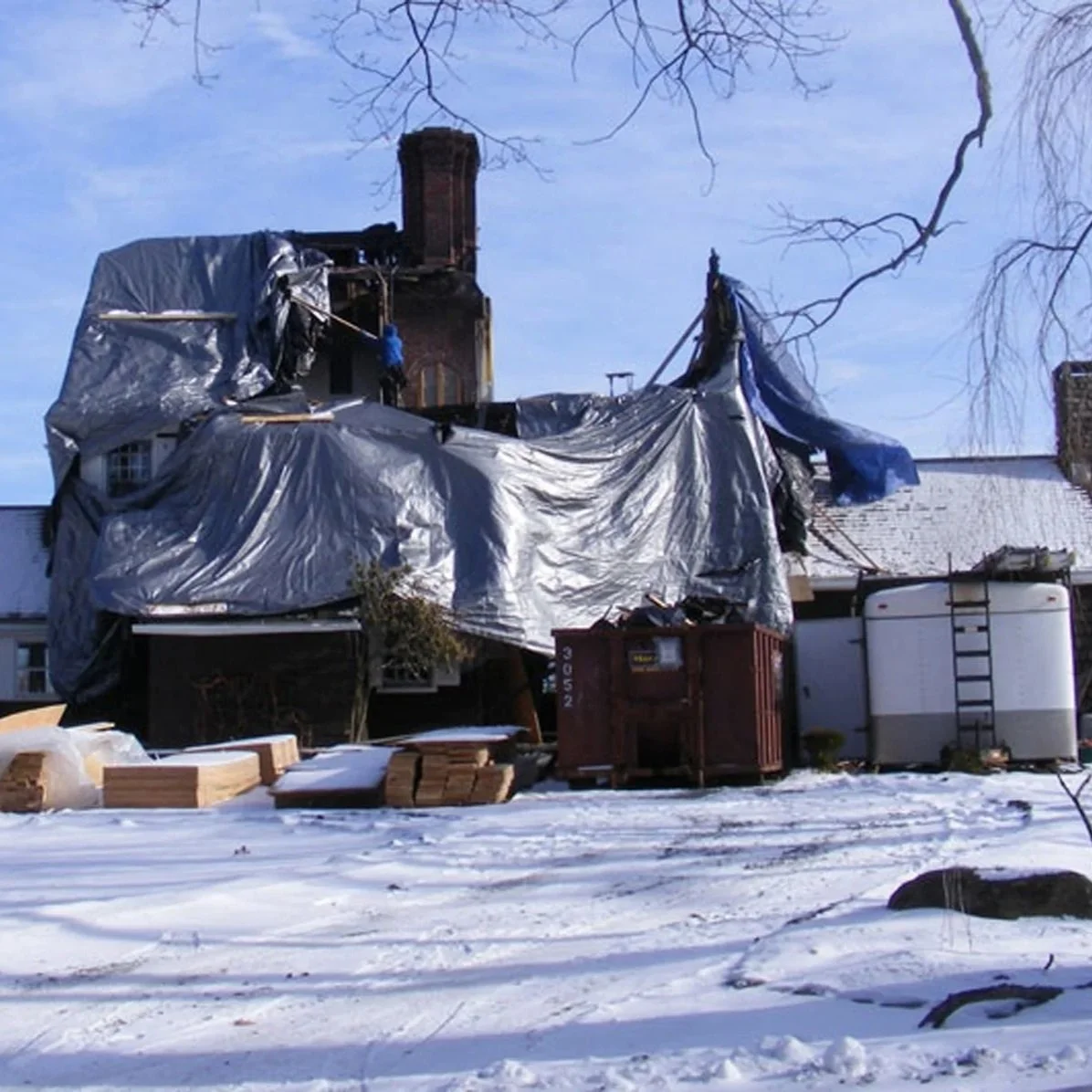
Preliminary Design
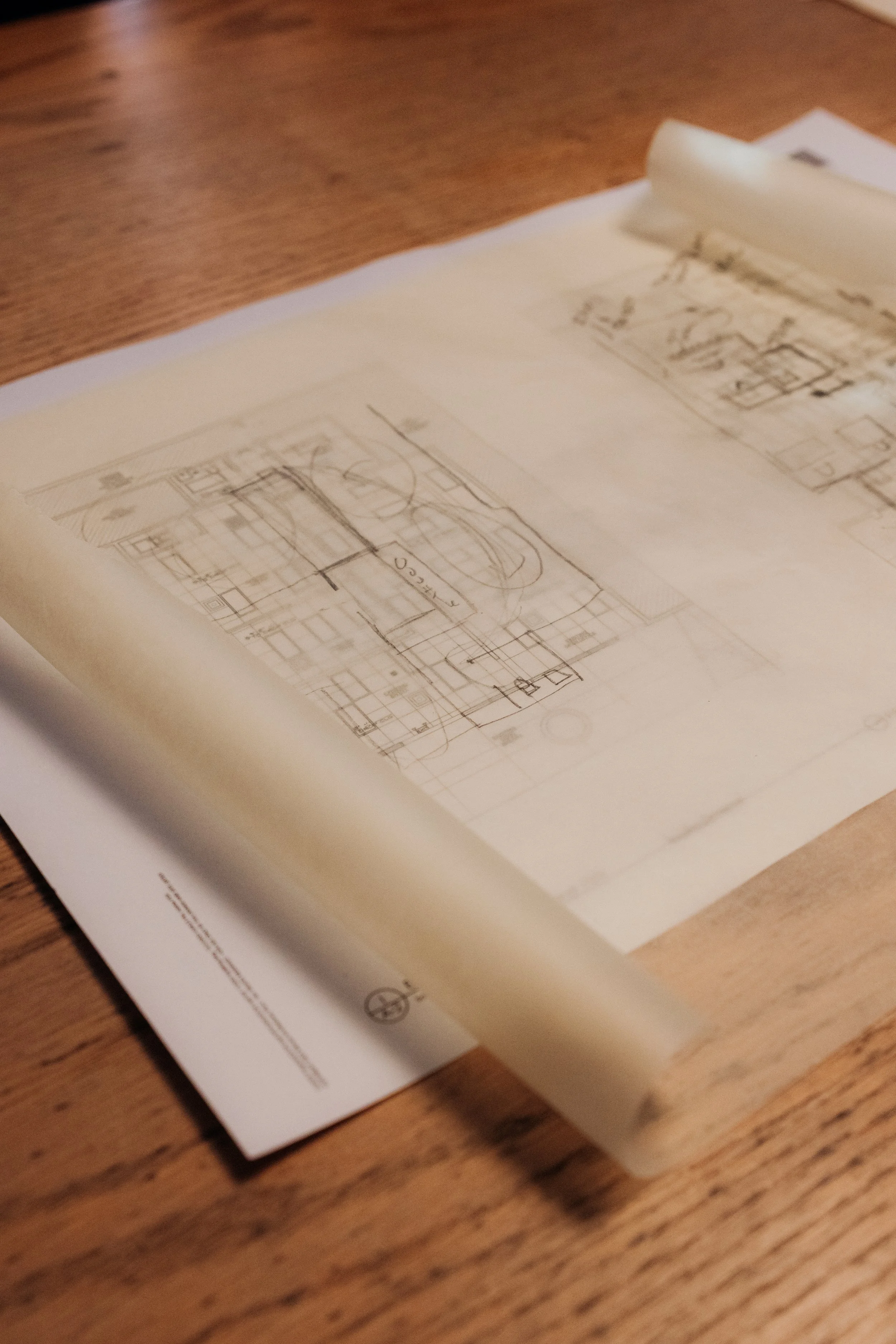
Preliminary design includes establishing the owner’s wish list, priorities, and design suggestions. We create basic sketches and develop information for the proposal, including the potential cost of the project. The preliminary design defines the scope of work and establishing the working parameters of the existing site and building.
Schematic Design
The schematic design phase is comprised of research, analysis of the property, including zoning and code requirements. We establish the shape and site of the building with some basic plans of each space. We create a plan that documents how the project will work within the budget. A schematic plan shows the general model of where rooms will be located and specifies the placement of doors and windows. This phase begins implementation of the design scope of work.
Design Development
During the design development phase we select materials, finishes, and fixtures. Mechanical, electrical and plumbing equipment are selected. The drawings are revised with greater detail. Engineering starts with expanding on the schematic design phase. We verify that we have Code Compliance and work with the engineers to design the structure.